

Drafting Chair vs Office Chair: Which One Is Right for You
Last Updated on June 22, 2026 by Bob Collins
Drafting chairs feature taller seat heights and built-in foot rings for elevated workstations, while office chairs (16 to 21 inches) are designed for standard desks with deeper ergonomic support. The right choice depends on your workstation height, sitting duration, and posture needs. Many professionals confuse these two seating options because they look similar at first glance. The differences matter for posture, productivity, and long-term spinal health.This guide breaks down every meaningful difference between the two chair types. You will learn which features matter, how heights compare, and which chair fits your workspace.
Key Highlights
- Drafting chairs adjust between 24 and 34 inches in seat height, while standard office chairs range from 16 to 21 inches.
- Foot rings and footrests come standard on drafting chairs to support legs at elevated heights.
- Office chairs prioritize lumbar support, deeper cushioning, and armrest adjustability for long seated sessions.
- Drafting chairs pair best with standing desks, drafting tables, lab benches, and counter-height surfaces.
- Office chairs cost less on average and offer wider style and ergonomic variety than drafting chairs.
What Is a Drafting Chair?
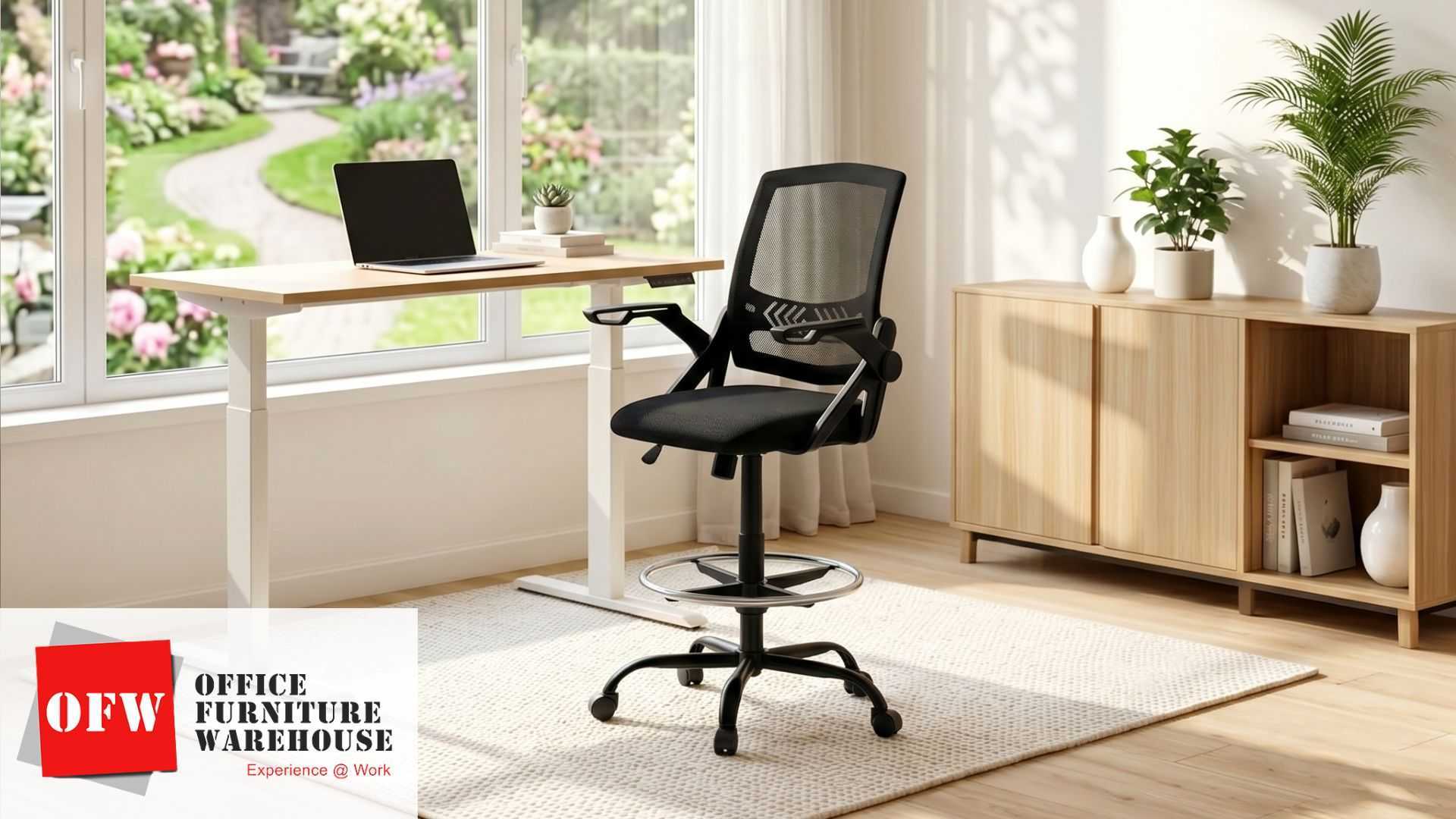
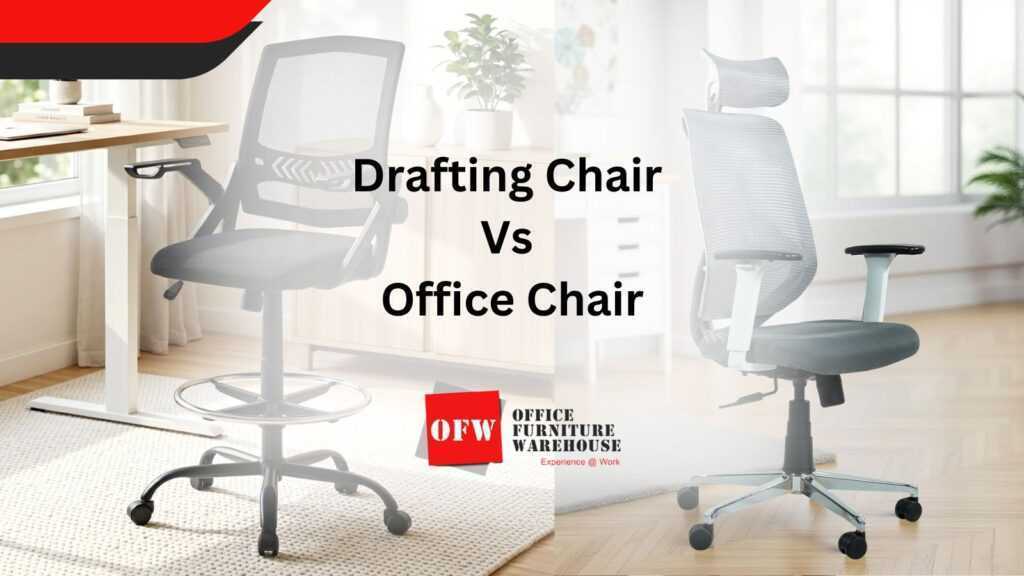
A drafting chair is an extended-height task chair built for elevated work surfaces. It uses a longer gas cylinder to reach 24 to 34 inches in seat height. Architects, engineers, designers, and lab technicians have used these chairs for decades. The defining feature is the foot ring. This circular metal bar wraps around the chair base.
It gives your feet a place to rest when the seat sits well above the floor.Modern drafting chairs include ergonomic features like contoured backrests, lumbar support, and adjustable armrests. The growing popularity of standing desks has expanded their use far beyond drafting studios. You can find guidance on related ergonomic seating in our task chair buying guide.
What Is an Office Chair?
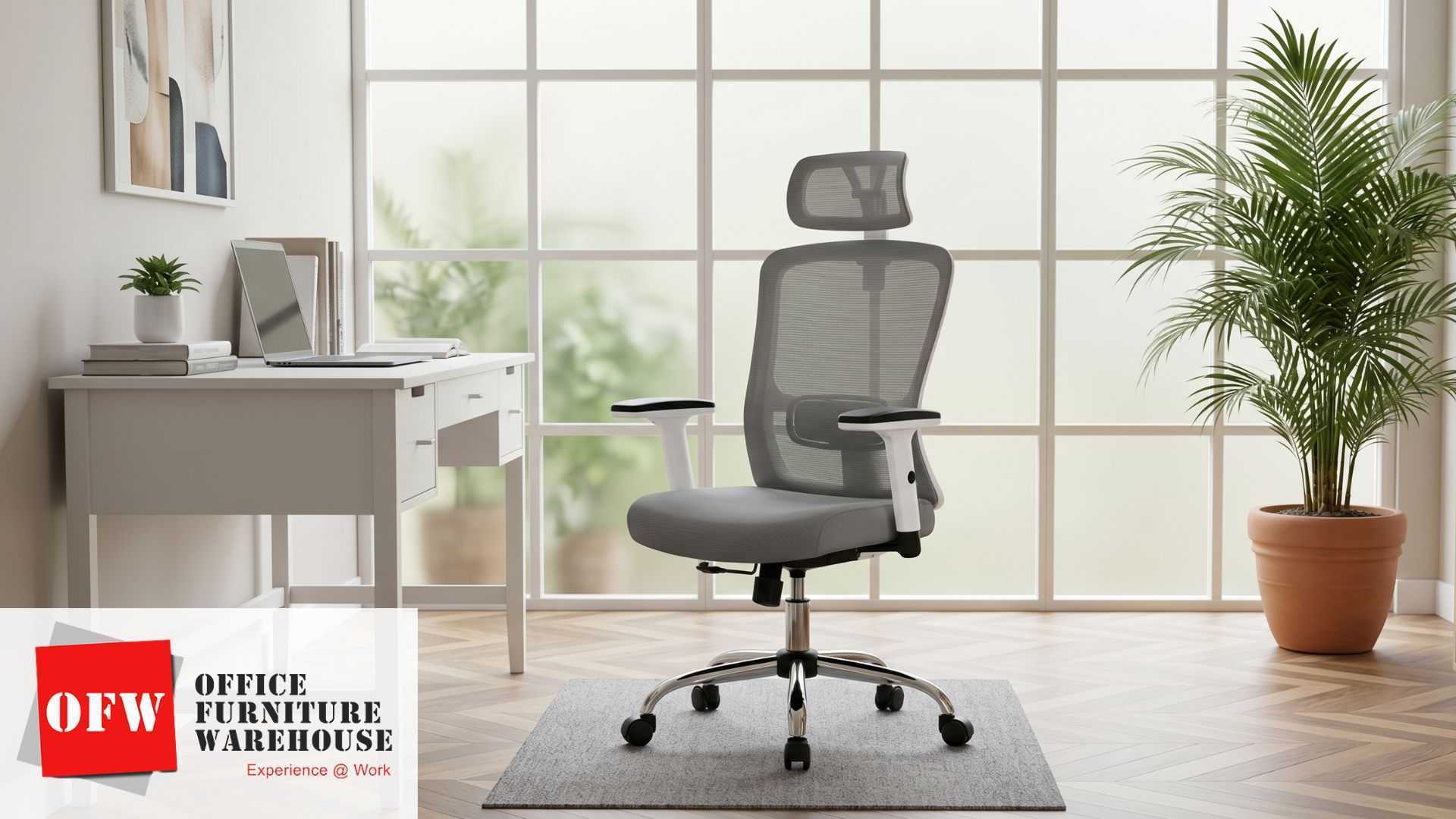
An office chair is a general-purpose task seat designed for standard desks. The seat height typically adjusts between 16 and 21 inches. It pairs with desks measuring 28 to 30 inches tall.These chairs focus on comfort during long seated sessions. Features include lumbar support, padded armrests, tilt mechanisms, and breathable mesh or upholstered backs.
Ergonomic models support neutral spine alignment and reduce fatigue.Office chairs come in countless styles, from executive leather to mesh task seats. They serve cubicles, home offices, conference rooms, and reception areas. Review our adjustable office chair buying guide to compare ergonomic models.
Drafting Chair vs Office Chair: Quick Comparison Table
| Feature | Drafting Chair | Office Chair |
|---|---|---|
| Seat Height Range | 24 to 34 inches | 16 to 21 inches |
| Foot Ring | Yes (standard) | No |
| Ideal Desk Height | 36 to 48 inches | 28 to 30 inches |
| Best Use Case | Standing desks, drafting tables, lab benches | Standard desks, cubicles, home offices |
| Lumbar Support | Yes (often basic) | Yes (often advanced) |
| Armrests | Optional, flip-up common | Standard, multi-adjustable |
| Seat Pan | Slimmer, extended | Wider, deeply padded |
| Stability | Reinforced wide base | Standard 5-star base |
| Price Range | Higher on average | Wider price spectrum |
| Style Variety | Limited | Extensive |
Height Range and Seat Adjustability
Seat height is the single biggest difference between these two chairs. A drafting chair lifts you 8 to 14 inches higher than a standard office chair can reach. This range matches the elevation of drafting tables, lab counters, and raised standing desks.Standard office chairs cannot extend high enough for counter-height work.
Forcing one into that setup creates shoulder, neck, and wrist strain. Drafting chairs solve this with longer pneumatic cylinders engineered for taller positions.Both chair types let you fine-tune seat height with a lever. The drafting version simply starts higher and travels farther.
Foot Rings and Footrests
Drafting chairs include a circular foot ring around the base. This ring supports your feet when the seat rises above floor level. Without it, your legs dangle, blood flow drops, and thigh pressure builds.Office chairs do not need a foot ring. Your feet rest naturally on the floor at standard desk height.
Adding a foot ring would block movement and serve no purpose.The foot ring is not a comfort upgrade. It is a circulation and posture necessity at elevated heights. Ergonomic experts recommend testing the ring position before buying any drafting chair.
Ergonomic Features Compared
Office chairs generally offer deeper ergonomic adjustability. They include multi-position lumbar support, headrests, seat depth sliders, and 4D armrests. The lower center of gravity allows more refined customization. Drafting chairs focus ergonomics on forward-lean posture and height variability. They support tasks where you tilt slightly toward the work surface.
Lumbar curves, mesh backs, and tilt locks appear on quality models. Neither chair is universally more ergonomic. The right fit depends on your task. Long seated work favors office chairs, while elevated or alternating work favors drafting chairs.
Comfort for All-Day Use
Office chairs win for extended seated comfort. The wider seat pan, thicker cushioning, and deeper backrest support hours of focused work. Premium models add seat slides, headrests, and synchronized tilt.Drafting chairs trade some plushness for flexibility.
The slimmer profile encourages active sitting and easy transitions between standing and sitting. Quality drafting chairs still feel comfortable, but they reward movement over stillness. If you sit for six or more hours in one position, an office chair usually wins. If you switch postures often, a drafting chair adapts better.
Price and Style Variety
Office chairs span a wide price range from budget mesh models to premium executive leather. The market offers thousands of designs, finishes, and ergonomic tiers. Style choices match almost any office aesthetic. Drafting chairs cost more on average than basic office chairs.
The longer cylinder, foot ring, and reinforced base raise manufacturing costs. Style options remain limited compared to standard office seating. Investing in either chair pays back through better posture and fewer aches.
Standing Desk Compatibility
Drafting chairs are the natural companion for standing desks. The extended height range covers the full elevation of a sit-stand desk in standing mode. You can perch, sit, or stand without adjusting the desk.Standard office chairs cannot reach standing-desk height.
Pairing them forces you to lower the desk every time you sit, which defeats the purpose of a sit-stand setup. Drafting chairs eliminate that friction. If you own or plan to buy a standing desk, a drafting chair is the smarter pick.
Best Use Cases for a Drafting Chair
- Standing desk users who alternate sitting and standing throughout the day
- Architects, drafters, and engineers working at drafting tables
- Lab technicians, scientists, and medical professionals at tall benches
- Artists and designers at elevated easels or counter-height workstations
- Cashiers, receptionists, and retail staff at raised counters
Best Use Cases for an Office Chair
- Corporate cubicles, executive offices, and open-plan workstations
- Home offices with traditional desks at 28 to 30 inches
- Long seated sessions involving typing, calls, and meetings
- Conference rooms, training spaces, and reception areas
How to Choose Between a Drafting Chair and an Office Chair
The decision starts with one measurement: your work surface height. Anything above 32 inches calls for a drafting chair. Standard 28 to 30 inch desks pair with office chairs.Next, consider how long you sit and how often you change posture. Long static sessions favor office chairs with deep ergonomic support.
Active or alternating workdays favor drafting chairs.Finally, factor in budget, style, and the rest of your office furniture. A mismatched chair undermines even the best desk setup. For a full workspace plan, explore our guide to choosing office furniture for productivity.