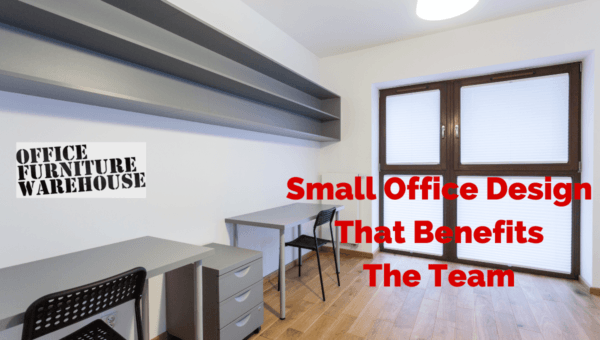


Small Office Design Layout Ideas That Benefits The Team
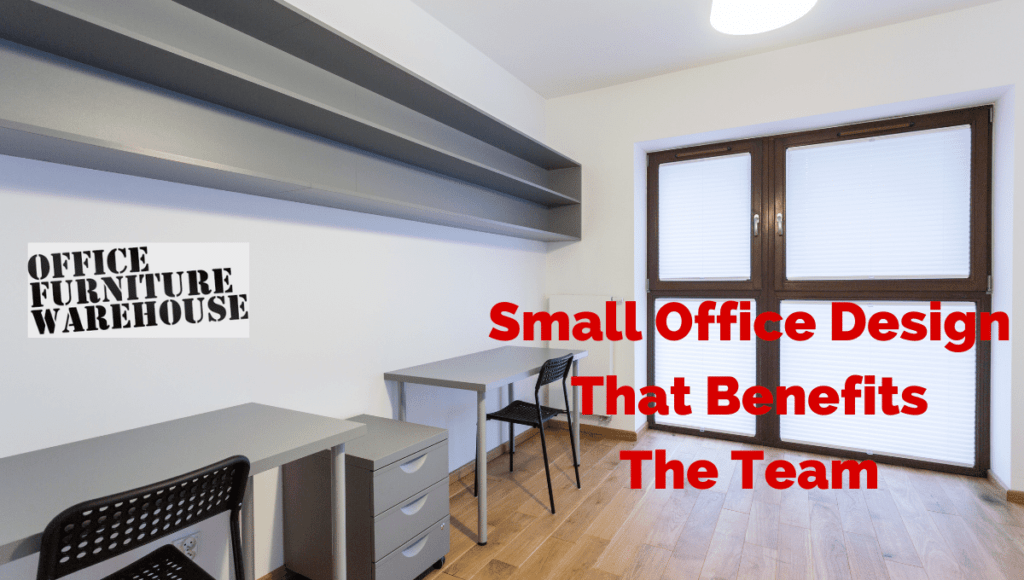
A suitable mood is a crucial aspect of office design. Your team’s efficiency, production, morale, and overall attitude can all be affected by the design of the office and the tone it communicates. A well-designed office conveys a lot about your company to your clients and employees.
To those who see it, an attractive, orderly, modern workplace interior design inspires confidence and speaks of success. It’s crucial to note, though, that what works for one company may not work for another. It relies entirely on the tone, image, and overall brand you’re attempting to establish.
Below are 15 proven small office layout ideas — practical, realistic, and easy to apply.
1. Prioritize Natural Lighting
Natural light is one of the most important elements in any small office. It instantly makes a space feel larger, fresher, and more open. Position desks near windows or glass partitions to maximize sunlight exposure.
Use light, sheer curtains or blinds that diffuse light instead of blocking it. If your office lacks windows, consider glass doors or frosted partitions that allow daylight to pass through. Natural light not only improves mood and focus but also helps reduce electricity costs throughout the day.
2. Use Vertical Space
When floor area is limited, the walls become your best friend. Utilize vertical storage by installing floating shelves, tall cabinets, and pegboards. This helps keep your desk surface clutter-free and ensures you’re not wasting valuable wall height.
For example, wall-mounted document racks or hanging organizers can hold files, while open shelves can display books or decorative plants. Vertical storage also draws the eye upward, creating the illusion of higher ceilings and a more spacious office.
3. Invest in Active and Ergonomic Furniture
Comfort directly affects productivity. Ergonomic chairs with lumbar support, height-adjustable desks, and monitor stands reduce strain on your body during long work hours.
If your team works for extended periods, consider adding sit-stand desks that allow posture changes throughout the day. You can also include balance stools, anti-fatigue mats, or small under-desk treadmills to promote movement. A well-designed workspace helps prevent back pain, fatigue, and burnout — common problems in small offices.
4. Choose Multifunctional Furniture
In a small office, every piece of furniture should earn its place. Choose desks with built-in drawers, modular tables that double as meeting spaces, or benches with hidden storage compartments.
Folding chairs or nesting tables are great for flexibility — they can be tucked away when not in use. This approach allows you to maximize space efficiency without compromising comfort or utility.
5. Install Custom Storage
Pre-made furniture doesn’t always fit perfectly in tight spaces. Custom storage solutions — like built-in cabinets, corner shelving, and under-desk drawers — make the best use of every inch.
For example, you can create a wall-to-wall shelving unit that fits your office dimensions exactly or add rolling storage drawers that slide neatly under workstations. Custom solutions also give your space a clean, cohesive look while keeping clutter hidden.
6. Go Minimalist
Clutter can make even a large office feel cramped. The minimalist approach focuses on “less is more” — keeping only what you need, using neutral tones, and maintaining clear, open surfaces.
Opt for simple furniture with clean lines and light colors like white, beige, or light gray. Hide cables with clips or trays and avoid unnecessary décor. A minimalist space looks professional, reduces distractions, and helps your mind stay clear and focused on work.
7. Incorporate Modular Furniture
Modular furniture gives you the flexibility to rearrange your office layout anytime you need. Pieces like connectable desks, mobile storage units, or movable partitions can adapt to team growth or different work styles.
For instance, you can push tables together for group collaboration or separate them for individual work. This adaptability makes modular setups ideal for startups, freelancers, and small creative teams.
8. Allow Enough Space to Move
Even in a small office, movement is essential. Don’t overcrowd the room with too much furniture. Maintain clear pathways and enough walking space between desks or work zones.
A cramped space not only affects comfort but can also become a safety issue. A general rule: leave at least 3 feet (around 1 meter) of walking space around each workstation. A more open flow helps the space feel breathable and organized.
9. Ask Your Employees
If you’re designing a shared office, involve your team in the process. Employees know how they use the space day—to—day, their insights can highlight issues you might overlook, such as lighting needs, noise levels, or storage problems.
Conduct a quick survey or brainstorming session. Small improvements, like rearranging desks for better communication or adding privacy panels, can make a big difference in satisfaction and performance.
10. Add Biophilic Design Elements
Biophilic design means bringing nature indoors. This approach has proven benefits for mental health, air quality, and creativity.
Add indoor plants like snake plants, pothos, or succulents that thrive with minimal care. Incorporate natural materials like wood, stone, or bamboo in furniture and decor. Even small touches — like a living wall or nature-themed artwork — can make your office feel calmer and more connected to the environment.
11. Embrace an Open Layout
Open layouts are great for small offices because they eliminate bulky walls and partitions, allowing light and air to move freely.
Instead of isolated cubicles, use shared work tables or long desks for multiple employees. Open spaces encourage collaboration and make your office appear larger than it really is. Just be sure to include quiet zones or meeting corners for privacy when needed.
12. Try Floating Desks
Floating desks are wall-mounted surfaces that save valuable floor space while maintaining full functionality. They’re ideal for solo workstations or home offices.
You can pair them with foldable chairs or stools that tuck away when not in use. Floating desks also create a clean, streamlined look and can include built-in shelves above for additional storage.
13. Focus on Lighting Design
Good lighting is essential, especially when natural light is limited. Use layered lighting — combine ambient ceiling lights with task lamps and accent lighting.
LED lights are energy-efficient and provide a bright, natural tone that reduces eye strain. Add under-cabinet lights for desks and warm lamps in corners to make the office more inviting. A balanced lighting plan improves comfort and sets the right mood for work.
14. Repurpose a Closet
If you’re working with extremely limited space, turn an unused closet or corner into a mini office.
Install a small desk surface, add wall shelves above, and fit good task lighting. When you’re done for the day, you can close the door to hide the workspace. It’s an excellent option for remote workers or small apartments that need a temporary office setup.
15. Utilize Vertical Storage
To maintain a tidy and efficient workspace, take advantage of vertical storage solutions. Use tall shelving units, filing towers, and hanging wall organizers for documents, supplies, and tech accessories.
This clears up desk space for daily tasks while keeping everything within reach. Organized vertical storage also improves visual order, making the entire room look larger and more professional.
Making A Plan To Make The Most Of Your Space
One of the most significant parts of your business is your office space. It’s the place where you work, and collaborate with coworkers and clients, and it has the power to make or destroy your productivity. When designing an office space for your staff, especially small office floor plans, there are several factors to consider, including location, size, and layout design. But what if you don’t have enough space to do any of these things? Don’t be concerned! However, the most important thing you need to consider about your space is the ability to plan for your space. You have heard it said, failing to plan is planning to fail.
Corner Desk To View The Entire Area
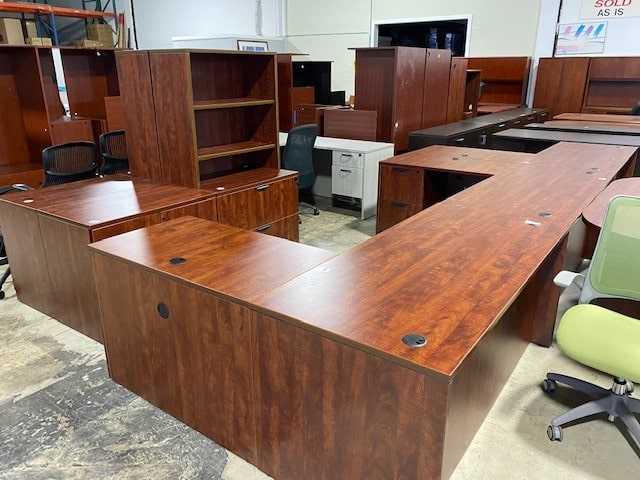
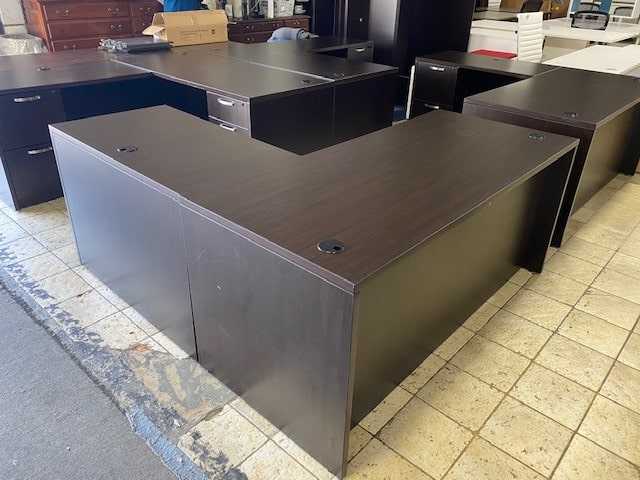
Corner desks leave small pockets of unused space, allowing you the capability to view the entire area while still having plenty of space to work efficiently. Because of their economical use of space, they’re ideal for small or home offices. The standing desk trend, as opposed to a traditional desk, has gained in popularity without a doubt. On the market, there are numerous types of corner desks in various shapes and sizes. Rather than having a typical computer desk in the middle of the room, which prevents you from fully utilizing the space around it, a corner desk will fit perfectly into the room’s corner. This liberates precious space that can be put to better use with other pieces of furniture, or a lounge area for the office dog or cat.
Triangular Design To Maximize Your Office
Know your geometry. It does come in handy when it comes to the optimization of space. The three angles that are connected by line segments to form a three-sided shape define a triangle. Equilateral and isosceles are the two most popular triangular forms used in architecture. Granted, a constrained, triangle corner site can be a source of dissatisfaction and restriction. Where straight angles are the norm, the acute corner can make it difficult to dynamically resolve a design. The limits of a triangular design, on the other hand, can be a source of inspiration and ingenuity. Office Furniture Warehouse has excellent furniture to assist in managing a triangular design.
Space Savers That Will Save Your Sanity
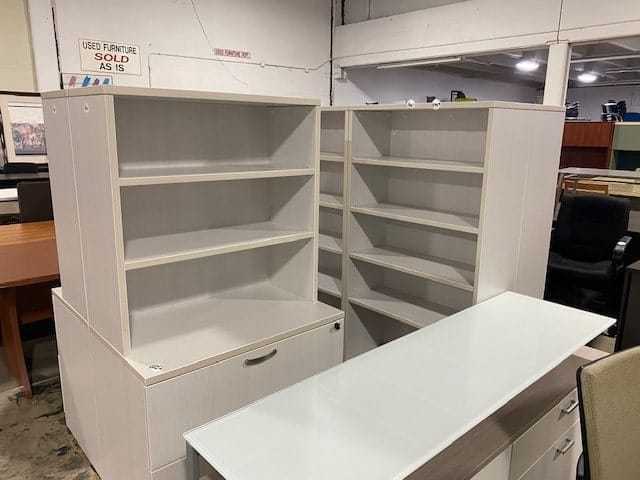
Start with the basic office features. Selecting appropriate small office furniture can make all the difference in creating an organized, functional workspace.
- A Countertop Mail Organizer – “I get mail; therefore I am.” It is important to remember that organizing letters is critical in an office space. This mail usually contains important information such as bills; so, before your lights are cut off, get a mail organizer or do it yourself.
- Boxes – Storage boxes are an excellent way to hide a variety of useful office items, such as paper, envelopes, and auxiliary cables and equipment. Labels can assist you in easily finding items, and using boxes to get your office ready for work and study.
- Shelves – Open shelving systems are a great method to keep office materials off your desk and easy to find. It’s simple to install and endlessly adaptable. To boost the appeal of your shelf and reduce the illusion of congestion, add a few unusual pieces like photo frames or vases to split up books, magazine holders, and other items. Shelves are essential in leveraging vertical space.
- Movable Cabinets – This craft storage idea, which uses store-bought cabinets, may simply be converted into a rolling office for offices with limited space but plenty of elegance.
Take Notes From Minimalists
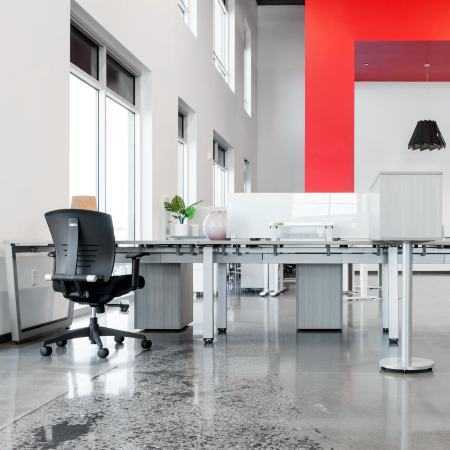
Melissa Camara says that “Minimalism is about an intentional search for happiness.” The office environment can be high-pressured, and when this space does not offer an ‘aura of emptiness’ for you to let out some of the pressure, then we have a problem. Therefore, the minimalist design ideal is about creating spaces that allow people to move without the distraction of a material world yet still feel connected to the space. It is about creating emptiness so that fullness can thrive. For example, tiny desks. Given the vision and mission of your office, the furnishing of the space will be derived. As such, it is important to think about these things in the beginning and ameliorate them as you grow.
How We Can Help You
Designing a well-furnished office is like making of a computer where different components come together in a functional harmony that allows progress and creation to take place. Having a well-designed office is the pinnacle of office furnishing. We understand office design, as such we know what piece of furniture to recommend.
Office Furniture Warehouse helps you think through your office plan, from tables and chairs to office décor , and offers the best furniture to grow your office. It is not just a matter of selling you furniture- it is a delicate art and science. At Office Furniture Warehouse, we grow with you.